When you think about brain health, activities like solving puzzles, eating well, and staying active might come to mind. But did you know that your hearing is one of the most powerful, and often overlooked, protectors of your cognitive health?
June is Alzheimer’s and Brain Awareness Month, a time for us to recognize the connection between our brain health and our hearing health. It may be surprising to find that they’re so intrinsically linked; while we hear with our ears, we listen with our brains, and the two work together to help you understand the world around you.
Recent medical consensus, including the landmark Lancet Commission reports, now recognizes midlife and late-life hearing loss as the single largest modifiable risk factor for developing dementia and Alzheimer’s disease.
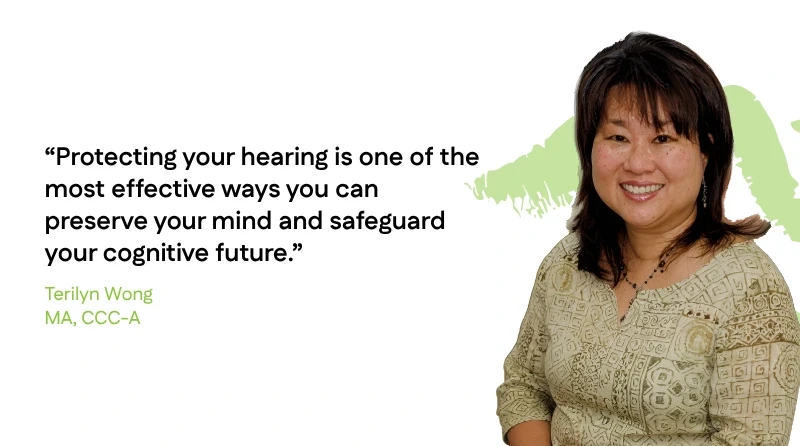
Protecting your hearing is one of the most effective ways you can preserve your mind and safeguard your cognitive future.
The Mind-Ear Connection: How Hearing Loss Impacts the Brain
You benefit from understanding the science behind hearing loss and its impact on your brain.
Here’s what happens when hearing loss goes untreated:
Cognitive Overload (The Burdened Brain):
When you experience hearing loss, your brain has to work overtime just to decode sounds and speech. This constant effort drains the processing power needed for memory, thinking, and decision-making.Brain Atrophy (Use It or Lose It):
If the auditory centers of your brain aren’t regularly stimulated by normal sound input, these areas can shrink; this process is known as atrophy. Structural tissue loss accelerates overall brain aging.Social Isolation and Loneliness:
Struggling to hear in group settings or during family gatherings often leads you to withdraw from social situations. Social isolation is a well-known driver of cognitive decline and depression.
Leading studies, such as those from Johns Hopkins, reveal that even mild, untreated hearing loss can double your risk of dementia. Severe hearing loss can increase that risk up to five times. You can rest assured that taking early action makes a measurable difference.
The Good News: Early Detection and the Protective Power of Hearing Aids
Here’s the empowering reality: you have control over this risk factor.
What the Data Shows:
Recent clinical trials show that you can significantly slow cognitive decline, by up to 48% in higher-risk adults, by proactively managing hearing loss with properly fitted hearing aids.The APOE-E4 Connection:
If you have a genetic predisposition to Alzheimer’s, addressing hearing loss in midlife acts as a critical line of defense. The ACHIEVE study demonstrates that treating hearing loss can significantly reduce the impact of genetic risk.Restoring the Signal:
When you use the right hearing technology, you relieve your brain of unnecessary strain, keep auditory pathways active, and empower yourself to stay socially engaged and mentally sharp.
You benefit from early detection and intervention. By prioritizing your hearing health, you’re making a powerful investment in your long-term cognitive wellness.
Taking Charge This June: Why a Professional Hearing Assessment Is Your First Step
You can take charge of your brain health today; don’t wait until you notice major communication gaps. Brain changes often begin with subtle, barely noticeable shifts in hearing during midlife.
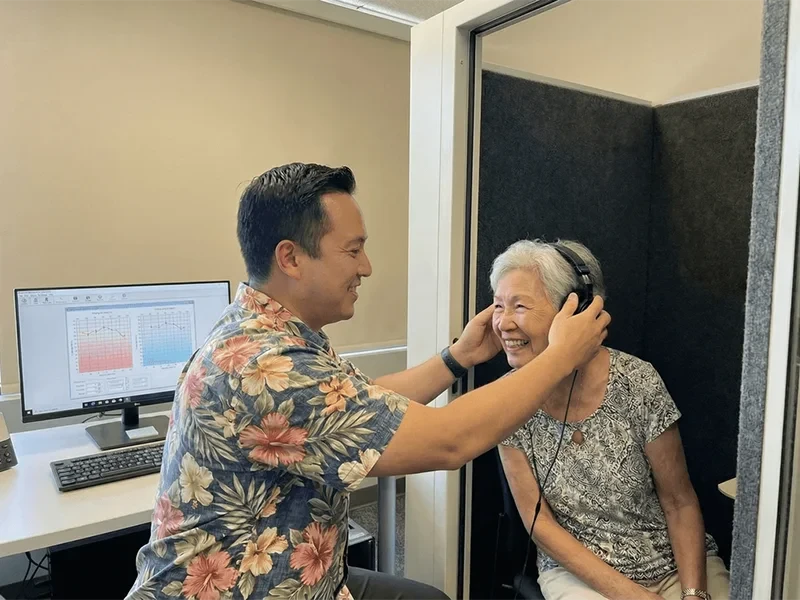
You benefit from a comprehensive evaluation that looks at your unique hearing profile, not just a quick screening. This approach ensures you get solutions tailored to your needs, supporting your brain health at every stage.
Partner with Ko'olau Audiology for Your Best Brain and Hearing Health
Celebrating Alzheimer’s and Brain Awareness Month is about making choices that keep your mind sharp for years to come.
You can rest assured that Ko'olau Audiology is committed to your long-term quality of life. Our comprehensive hearing assessments help you understand your baseline hearing and provide you with the best strategies to keep your brain healthy, active, and connected.
Don’t wait to protect your mind. Take charge of your brain health this June. Contact Ko'olau Audiology today to schedule your comprehensive hearing assessment. Protect your hearing, preserve your mind, because your future self will thank you!
FAQs: Protecting Your Hearing, Preserving Your Mind
Q: How does hearing loss affect my risk of dementia?
A: Untreated hearing loss increases the risk of dementia by straining your brain, leading to cognitive overload, brain atrophy, and social withdrawal. Studies show even mild hearing loss can double your risk, while severe loss can increase it up to five times. Addressing hearing loss early helps protect your brain's long-term health.
Q: Can hearing aids really help prevent cognitive decline?
A: Yes. Clinical trials demonstrate that managing hearing loss with hearing aids can slow cognitive decline by up to 48% in at-risk adults. Properly fitted hearing aids reduce mental strain, keep your brain’s auditory pathways active, and support social engagement, all of which are crucial for brain health.
Q: When should I get my hearing checked?
A: You benefit most from early detection, even before noticeable hearing problems arise. Subtle changes in hearing often start in midlife and can impact your brain over time. Scheduling a professional hearing assessment with an audiologist ensures you have a clear understanding of your hearing health and helps you take proactive steps to protect your mind.
Sources
Alzheimer’s Association: Find out more about Alzheimer’s and Brain Awareness Month here.
The Lancet: Check out the landmark Lancet study here!
Johns Hopkins: Find out more about the connections between cognitive health and hearing loss challenges.
The ACHIEVE Study: Curious about what the ACHIEVE Study found out? Discover more about their key findings related to brain health here.