
Hearing difficulties can gradually affect your ability to stay connected with family, friends, and the people around you. When conversations become tiring or frustrating, you may find yourself avoiding social gatherings or missing out on activities you once enjoyed.
For many people, concerns about the cost of hearing care can make taking the first step toward getting help even more challenging.
If you have Aetna insurance, you may be wondering what your benefits include and whether they can help cover the cost of hearing aids.
The good news is that some Aetna plans offer hearing aid benefits, although the level of coverage varies depending on your specific plan. Taking the time to understand your coverage can help you explore your options, anticipate potential costs, and make informed decisions about your hearing care.
How Coverage Varies by Aetna Plan Type
Insurance policies vary, which means that taking time to identify your exact policy tier, plan name, and benefits documents helps you plan with confidence.
Aetna Medicare Advantage (Part C)
Medicare Advantage plans bundle supplemental routine hearing services. You will often find coverage for annual hearing assessments alongside fixed copayments or allowances for prescription devices. In many instances, Aetna administers these benefits through specialized third-party administrator networks such as NationsHearing.
Commercial and Employer-Sponsored Plans
If you receive coverage through an employer or a private commercial policy, your benefit structure depends on the package selected by the plan sponsor. These plans offer a lump-sum allowance, such as a set amount every 36 months, or they cover a predetermined coinsurance percentage after you meet your deductible.
Federal Employees Health Benefits (FEHB) and Other Plans
Federal employees and retirees often have dedicated hearing health allowances within their Aetna plans.
Aetna Clinical Necessity Criteria
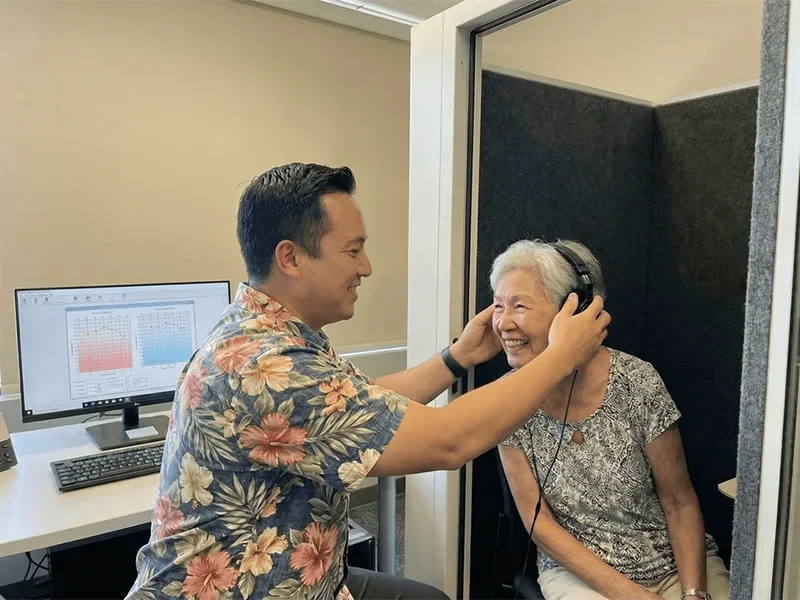
Before insurance coverage can be approved for hearing aids, Aetna may require documentation showing that hearing aids are medically necessary. This typically involves a comprehensive hearing evaluation performed by a licensed professional.
Depending on your specific plan, qualifying criteria may include:
Hearing thresholds of 40 dB HL or greater at 500, 1,000, 2,000, 3,000, or 4,000 Hz.
Hearing thresholds of 26 dB HL or greater at three or more of these frequencies.
Speech recognition scores below 94%.
A hearing assessment can help determine the degree of your hearing challenges and whether hearing aids are an appropriate solution. Your audiologist can also provide the documentation needed to support your insurance coverage, depending on your plan's requirements.
Covered Services vs. Out-of-Pocket Costs
Routine appointments and diagnostic hearing evaluations may be covered under your standard medical benefits.
Depending on your coverage, you may still be responsible for some costs, including:
Annual deductibles: The amount you must pay before certain insurance benefits begin.
Copayments: A set amount you may need to pay toward each hearing aid.
Technology upgrades: Additional costs if you choose hearing aids with features beyond your plan's coverage allowance.
Additional services: Services such as professional earwax removal, if needed before your hearing assessment, may involve separate fees.
Knowing what is included in your plan ahead of time can help you make informed decisions and feel more confident about your hearing care options.
Understanding Third-Party Network Programs
When reviewing your Aetna plan, you may come across third-party benefit providers such as NationsHearing. Aetna works with programs like these to help manage hearing aid benefits for some Medicare Advantage plans.
These programs may have specific requirements about which hearing care providers you can visit:
HMO plans: You may need to use an approved in-network provider for your hearing aid benefits to be covered.
PPO plans: You may have more flexibility to choose a provider.
Since coverage and network requirements vary by plan, it's always a good idea to confirm which providers are covered before scheduling your appointment or purchasing hearing aids.
A little preparation can help you avoid unexpected expenses and make the most of your available benefits.
Step-by-Step: How to Verify Your Aetna Hearing Aid Benefits
Navigating Aetna benefits doesn't require spending hours on hold by yourself. You can take these three simple steps:
Check your member ID card. Look at the back of your card for dedicated phone numbers labeled customer service, member benefits, or hearing health services.
Review your Evidence of Coverage (EOC). Search your policy booklet or online member portal for key phrases such as "Routine Hearing," "Hearing Aids," or "Durable Medical Equipment."
Schedule a hearing evaluation: A comprehensive diagnostic assessment helps determine your hearing needs and provides the clinical documentation your insurance provider may require when reviewing coverage.
Ready to Take the Next Step?
Understanding your hearing benefits is an important part of planning your care. If you've been putting off a hearing assessment or have questions about your options, we're here to help.
Contact our team at Ko'olau Audiology today to schedule your evaluation or request a callback.
Frequently Asked Questions (FAQs)
Q: Does Aetna cover the cost of hearing assessments?
A: Some Aetna plans cover diagnostic hearing evaluations when medically necessary to assess concerns such as hearing challenges, tinnitus, or balance difficulties. These evaluations must meet your plan's requirements and be performed by an eligible, licensed provider.
Coverage for routine hearing screenings may vary depending on your specific policy or Medicare Advantage plan. We recommend checking your benefits ahead of time to understand what is covered and whether any out-of-pocket costs apply.
Q: Can I choose any hearing aid brand with my Aetna allowance?
A: Your choice of hearing aid brands depends on your specific Aetna plan and how its hearing aid benefits are structured. Some plans offer more flexibility in choosing a provider and manufacturer, while others require you to purchase through an approved hearing care network or benefit program.
Our team can help you explore hearing aid options that suit your hearing needs, lifestyle, and preferences, while encouraging you to confirm which devices and providers qualify under your insurance plan.
Q: Do I need a referral from my primary care doctor before scheduling an exam?
A: In many cases, you can schedule a hearing evaluation directly with an audiologist without a physician referral. However, some insurance plans, particularly certain HMO and Medicare Advantage plans, may require a referral or prior authorization for coverage.
Requirements vary depending on your specific Aetna plan, so we recommend checking with your insurance provider before your appointment to confirm whether a referral is needed and what steps are required for coverage.
Source: