
Every September, World Alzheimer’s Month raises awareness of Alzheimer’s disease and the factors that may influence brain health as you age. While conversations about dementia often focus on memory, lifestyle, and other familiar areas of health, hearing is becoming an increasingly important part of the discussion.
Many people judge their hearing by asking a simple question: “Can I hear the sound?” However, hearing health also involves how clearly and efficiently you can understand sound; you may still hear people's voices but find that it takes considerably more concentration to follow the conversation or pick out the details.
There is a strong connection between your hearing and your cognitive health. While hearing care cannot guarantee protection from cognitive decline, it is one area of your health where you can take practical steps for your brain, starting with recognizing changes in your hearing and seeking advice when needed.
The WHO’s Updated Guidance: What It Means for You
The World Health Organization (WHO) has updated its guidance on reducing the risk of cognitive decline and dementia. It now recommends addressing hearing loss challenges as part of a broader risk-reduction strategy. As a result, it’s clearer than ever that hearing health is more than a quality-of-life concern; it's also part of a proactive approach to healthy aging.
When you experience hearing difficulties, your brain needs to work harder to fill in gaps and separate speech from background noise, which can make conversations more mentally demanding and leave you feeling tired, particularly in challenging listening environments.
Taking action when hearing difficulties arise is therefore an important step toward staying connected and engaged in everyday life.
More Than Sound: The Ear-to-Brain Connection
Your hearing relies on an intricate partnership between your ears, which collect sound, and your brain, which processes and interprets it. When this pathway works well, conversations can flow naturally and your attention can remain focused on what matters. When hearing becomes more difficult, you may notice:
Difficulty with certain voices: Higher-pitched voices may become harder to hear or understand clearly.
Challenges in noisy environments: Following conversations in restaurants or family gatherings can require considerably more effort.
Mental fatigue: You may feel unusually tired after conversations or social events, particularly when you’ve had to concentrate hard to follow what’s being said.
If these experiences sound familiar, they may be signs that your hearing could benefit from professional assessment and support.
Trust in Experts for Your Best Hearing Health
Addressing your hearing needs can feel intimidating, especially if you’re unsure what to expect, but the process is straightforward and comfortable.
When you visit our clinic, you’ll find a team committed to evidence-based best practices and personalized care. If challenges are identified and hearing aids are recommended, any technology selected will be carefully programmed and fine-tuned to your unique hearing needs.
Contact our team at Ko'olau Audiology and Hearing Aid Services to schedule an appointment or request a callback, and take the next step toward supporting your long-term hearing and cognitive health.
Frequently Asked Questions (FAQs)
Q: Can hearing aids reverse cognitive decline or dementia?
A: Hearing aids are not a cure for Alzheimer’s disease or other forms of dementia. However, according to the WHO’s guidelines, addressing hearing difficulties is an intervention that may help slow the progression of cognitive decline.
By treating hearing loss challenges, you reduce the load on your brain and make it easier to stay socially engaged, both of which are key factors in maintaining your cognitive health.
Q: My hearing seems fine, but I’m worried about my memory. Should I still get a hearing assessment?
A: Hearing loss can develop gradually, and the brain is remarkably good at adapting to subtle changes. This means you may not immediately recognize that your hearing has changed or notice how much extra effort you’re using to follow conversations.
A comprehensive hearing assessment can provide a valuable baseline for your hearing health, particularly if you’re concerned about your cognitive well-being. It can identify changes that may otherwise go unnoticed, giving you a clearer understanding of your hearing needs and helping you make informed decisions about your care.
Q: What can I expect from a hearing assessment?
A: Your appointment will begin with a conversation about your hearing concerns, your health history, and the situations where listening has become more difficult. This is your opportunity to share what you’ve been experiencing.
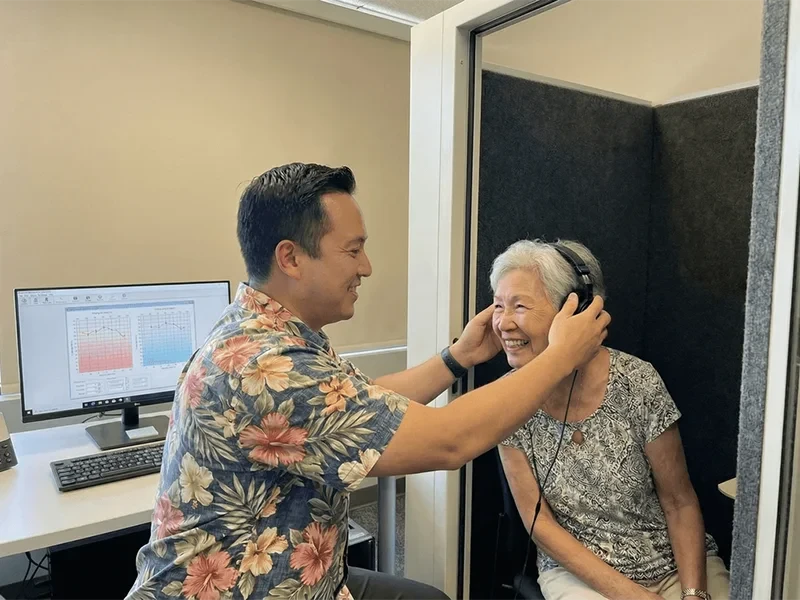
Your hearing will then be assessed to give us a clear picture of how well you hear different sounds and how effectively you understand speech. Once the assessment is complete, your results will be explained clearly and related to your everyday experiences so you understand what they mean for you and your hearing needs.
You’ll have plenty of time to ask questions, discuss your results, and explore your options. Our focus is on helping you understand your hearing health and make informed decisions about your care.
Sources: